
Home interior soft furnishings generally refer to all movable and replaceable decorative elements other than the building's hard structures (such as walls, floors, ceilings, etc.). They include but are not limited to furniture, textiles (curtains, throw pillows, carpets), lighting fixtures, accessories, plants and artworks... Soft furnishings can actually directly reflect the emotions of the occupants. A vintage sofa might carry the memories of several generations of a family. A soft beam of light can instantly create a warm and romantic atmosphere.
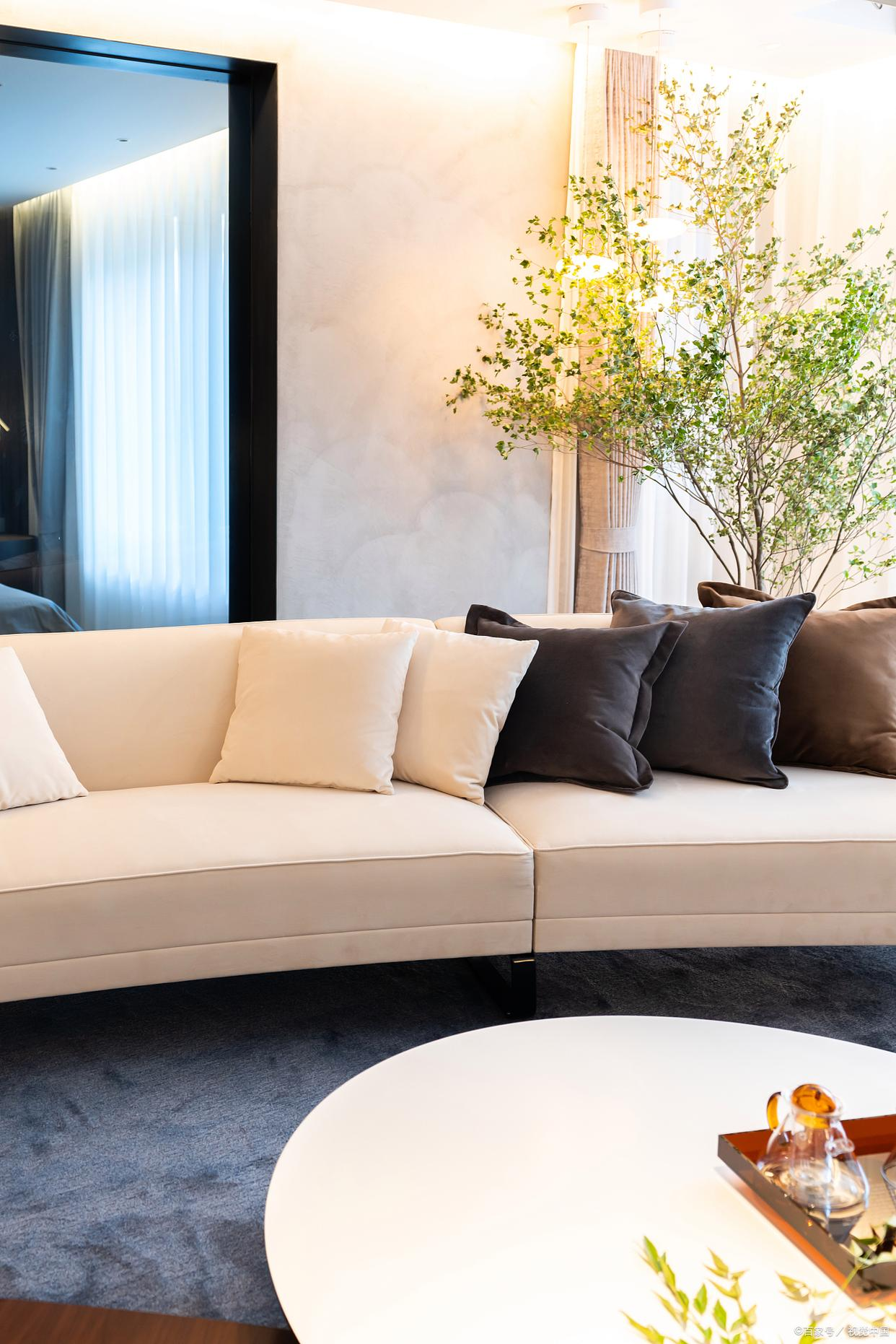
In this era of individualized pursuit, everyone desires their home to be unique. Isn't soft decoration the perfect stage to showcase one's personality? From color matching to material selection, from style positioning to detail handling, every aspect can be changed according to one's own aesthetic preferences.
Some soft decorations also have powerful practical functions. Reasonable furniture layout can optimize the spatial flow and improve living efficiency. Appropriate lighting design can create different lighting effects, meeting the usage needs in different scenarios. Soft decoration can also adjust the space atmosphere through color psychology principles. For example, cool colors can make people calm, while warm colors can bring a sense of warmth... All of these have an impact on the comfort of our living.
Home soft decoration is not simply a matter of assembling and piecing together. It is a discipline that combines artistry and science. Color is the soul of soft decoration design. Different color combinations can create completely different space atmospheres. When doing color matching, one can follow the basic principles of color theory, such as contrast and coordination, cold and warm balance, and also consider the color preferences of the occupants and the functional requirements of the space, creating a beautiful and practical color environment.
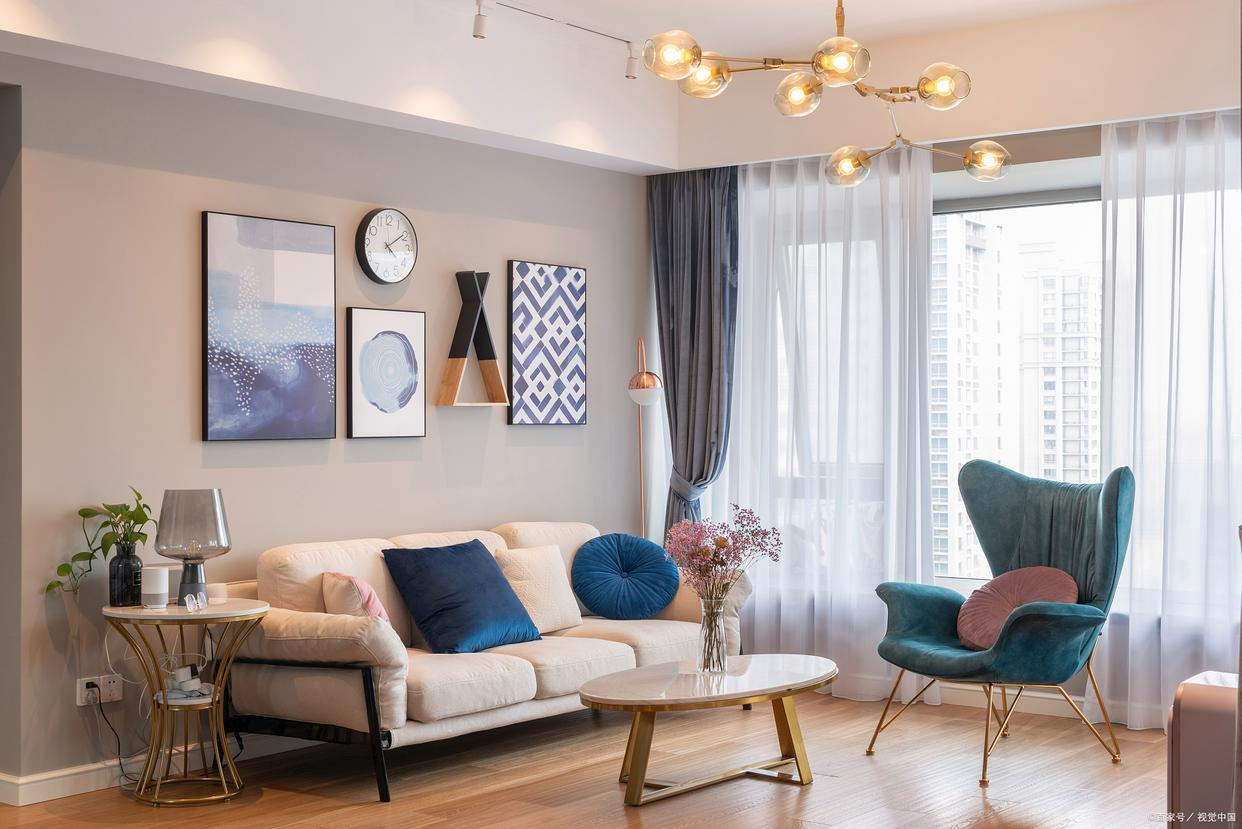
Material is also an indispensable part in soft decoration design, influencing the texture of the space. When choosing materials and textures, one needs to pay attention to the natural beauty and durability of the materials, as well as the matching effect between different materials.
Reasonable lighting design can instantly enhance the layering and aesthetic appeal of the space. Lighting in soft decoration design is not only a tool for lighting but also a magician for creating an atmosphere. Through the ingenious combination of various light sources such as main lights, auxiliary lights, and decorative lights, various space atmospheres such as warmth, romance, and mystery can be created. In appropriate scenarios, using different lights also adds fun to the home.
A reasonable layout of soft decoration can optimize the space flow and enhance the living experience. When planning the soft decoration layout, one needs to fully consider the living habits and activity trajectories of the occupants, ensuring that the placement of furniture not only conforms to ergonomic principles but is also convenient for daily cleaning and maintenance. And there is another aspect that is often overlooked by people, which is the space blanking. One should avoid the crowded feeling caused by excessive decoration.
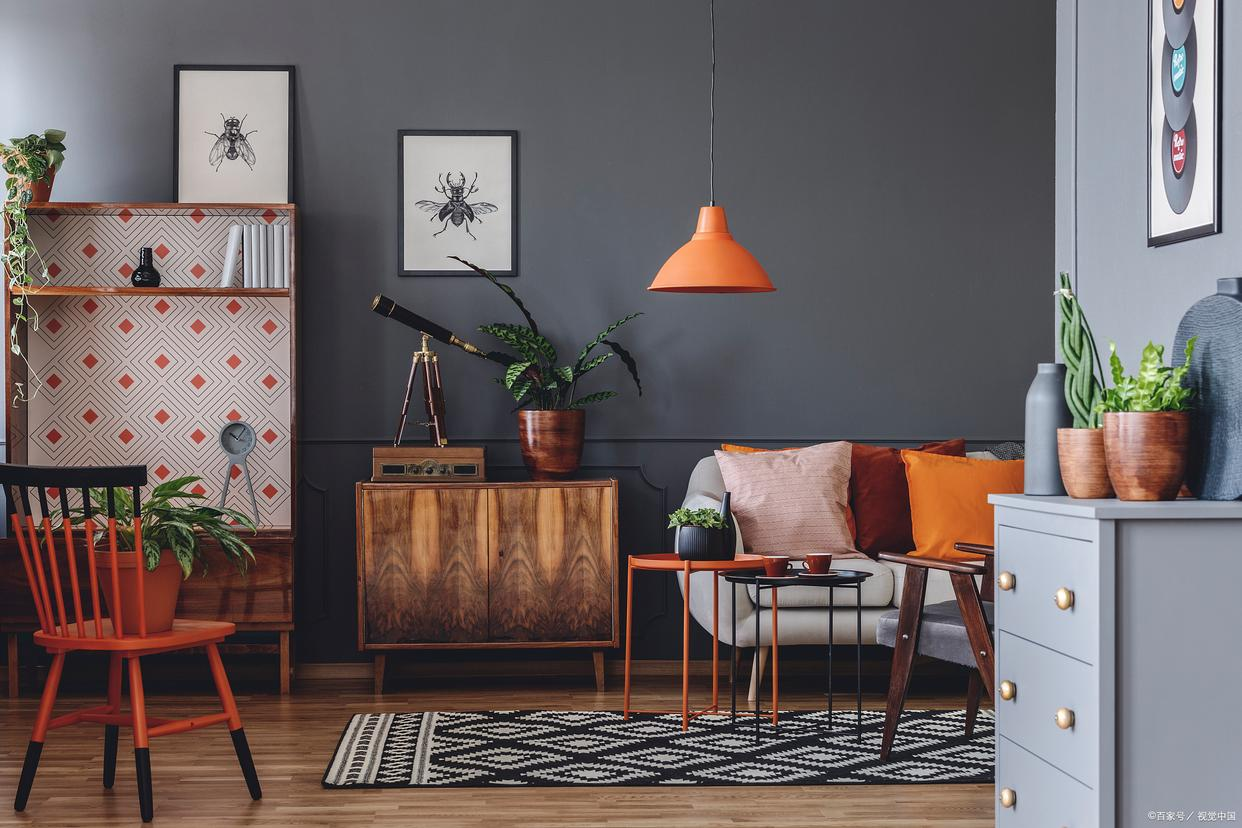
Perhaps a plain and monotonous living room can instantly become lively after adding a few furniture pieces with simple lines and bright colors. The grey fabric sofa, paired with the white coffee table and black TV cabinet, creates a classic black, white and grey color scheme, which is simple yet exudes a sense of sophistication. Hanging a few abstract art paintings on the wall can add a touch of artistic atmosphere to the space.

