
When entering a room, what usually catches your attention first is not the luxury of the furniture, but the emotions and temperament conveyed by the space. The so-called "elegance" is not about assembling expensive materials or chasing after trendy labels; rather, it lies in finding an appropriate balance in the design logic, material texture, and rhythm of light and shadow.
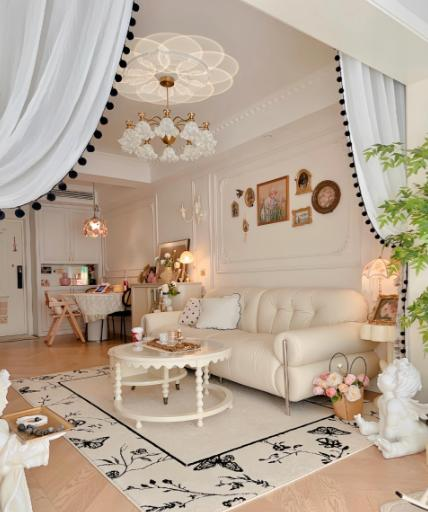
Creamy Style: Gentleness is not weakness; it is the emotional comfort of the space.
Not all "melt-in-your-mouth" spaces are called cream style. The true cream style emphasizes the gradual transition of low-saturation colors - off-white, oatmeal, light grayish-brown - creating a soft gradient between the walls, fabrics, and soft furnishings. Pairing with velvet sofas, curved side tables, and warm light floor lamps, it creates a relaxed feeling like being wrapped in clouds. It is suitable for small to medium-sized rooms with good lighting, especially for those who prefer a peaceful and stable home atmosphere. Be careful not to use large areas of pure white or high-gloss materials, as this can make the space look empty or have harsh reflections.
Minimalist Wood Style: With the natural warmth, it neutralizes the coldness of the city.
Raw wood is not exclusive to Japanese style; rather, it is the most humanistic expression of minimalism. The natural grain of oak, walnut, and ash wood, combined with matte paint surfaces and micro-cement floors, gives the space a gentle warmth in restraint. The clean lines of the furniture are sharp and precise, without pursuing carvings or decorations, but they do a great job in terms of touch and visual weight. It is suitable for those who pursue "less is more" and value the authenticity of materials. Tips: Avoid using too many light wood patterns. Appropriately adding dark wood or metal accents can prevent the space from seeming airy.
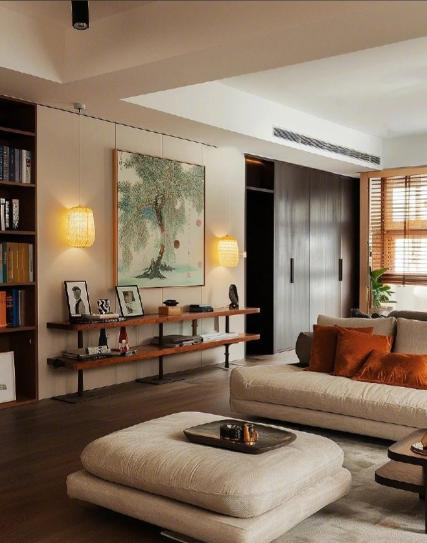
New Chinese Style: Not imitation of the past, but the contemporary reinterpretation of Eastern aesthetics
The true "New Chinese Style" has long transcended the stereotypical image of redwood carvings and symmetrical layouts. It places greater emphasis on space blanking, material contrast, and the creation of an artistic atmosphere - for instance, replacing the imperial lanterns with Xuan paper lampshades, using linen screens to divide functional areas, or placing a curvilinear chair in front of a concrete wall. In terms of color, it prefers dark ink, tea brown, and grayish blue, while the materials incorporate bamboo weaving, pottery, and matte metals. It is suitable for residents with a strong sense of cultural identity and a preference for spiritual blankness. Avoid overloading with symbolized elements; otherwise, it may appear outdated or artificial.
Luxury-soft style: Subtle elegance, hidden within the details and creases.
Luxury does not mean "looking expensive". Instead, it conveys a sense of quality through material comparison and precision of craftsmanship. For instance, the sofa uses Italian velvet instead of glossy leather, the tabletop of the coffee table is made of natural stone rather than imitation stone texture vinyl, and the baseboard and door frame adopt the same color matte metal edging. The lighting design is particularly crucial - the non-central lighting system is combined with accent lights and linear light strips, allowing the space to present layered light and shadow at different times. It is suitable for urban residents who value the sense of ceremony in life and have requirements for details.
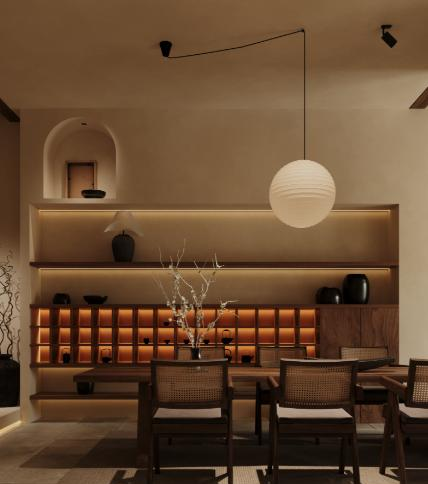
Wabi-sabi style: In imperfection, discover the poetry of time
Wabi-sabi is not about "ruin", but rather a respect for "the beauty of imperfection" and "the sense of time". The walls can be painted with micro-cement or artistic coatings, preserving the texture created by hand-painting; furniture should feature asymmetrical shapes or pottery and coarse ceramic vases with handcrafted traces; the colors should be mainly in shades of gray, beige, and terra cotta, with hardly any highly saturated colors. There are often "empty" corners in the space, not filled up but instead inviting people to linger and reflect. It is suitable for those who seek tranquility in their hearts and resist excessive decoration. Note: Adequate natural light or warm lighting must be provided; otherwise, it may appear depressing.
French style: Romance is not about complexity, but about proportion and rhythm.
Modern French style has long left behind the clutter of plaster lines and the bombardment of crystal chandeliers. It now places greater emphasis on the elegant proportions of lines - such as arched doorways, simplified contours of carved frames, and the curved lines of furniture legs. In terms of color, it prefers cream, gray-blue, and olive green, paired with brass handles or slender-legged furniture, which is light yet elegant. It is suitable for spaces with moderate ceiling height and a square layout, and can ingeniously enlarge the visual scale. The key lies in "moderation in decoration" - one carved frame is sufficient, and there is no need to have carved designs all over the walls.
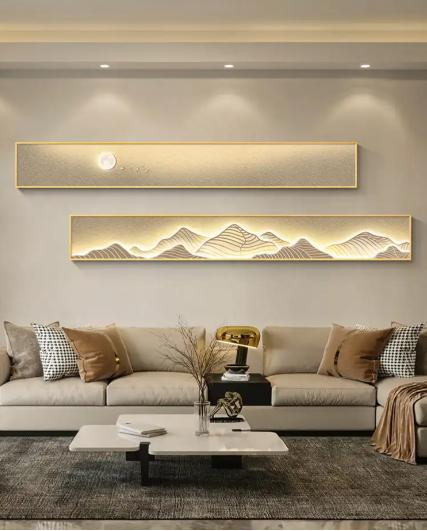
Modern Style: The Gentle Implementation of Rationalism
The core of modern style lies in the aesthetic refinement under the premise of prioritizing functionality. It does not reject decoration, but it refuses meaningless additions. For instance, the TV wall could be an entire storage cabinet with hidden track doors, and the sofa background wall could be solved with a single abstract painting and embedded light strips to create a visual focal point. The preference for materials is a combination of glass, metal, painted boards, and natural stone, emphasizing "temperature within a cold atmosphere". It is suitable for people who pursue efficiency, cleanliness, and dislike clutter. Lighting design is the soul - it is recommended to use 3000K warm white light to avoid the harshness brought by cold white light.
Minimalist style: Not about being completely empty, but about the precise "letting go" of unnecessary things
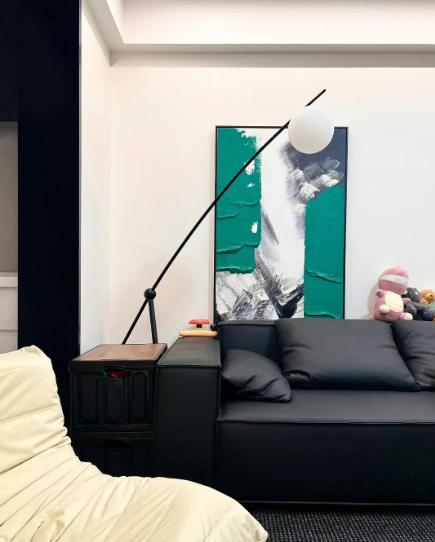
The most challenging aspect of minimalism is not "less", but "precision". Every chair and every lamp must simultaneously meet the standards of functionality, proportion, and texture. The walls are usually painted with pure color art paint or micro-cement, the floor is covered with large-sized matte tiles, and the furniture mostly adopts suspended design or built-in storage. The color system is highly unified, with common colors being black, white, gray, plus one low-saturation accent color (such as dark green, deep blue). It is suitable for residents who are highly self-disciplined and dislike visual distractions. Reminder: Adequate storage space must be reserved; otherwise, "minimalism" may easily turn into "emptiness".
The size of the space, the lighting conditions, and living habits are far more important than "popularity". Sophistication is never something bestowed by the style itself; rather, it is the composure and ease you achieve after a long-term interaction with the space.

