Current position 首页>> 开林家具firm Space
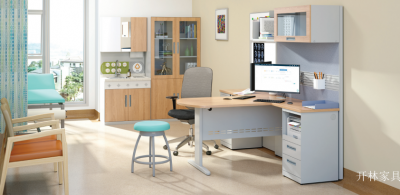
Our company was founded in March 2004. It is a professional enterprise specializing in high-end office furniture, hotel furniture, and medical-nursing furniture, integrating R&D,&em sp;production, sales and service. We have eight production bases, covering an area of approximately 300,000 square meters. We are equipped with a specialized product research and development center, an international product testing center, and over 2,000 highly qualified industry professionals. View more>>
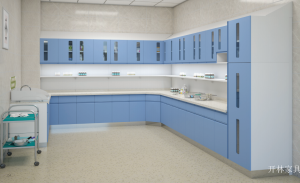
Price:Negotiate
Number:CFF-260709164302

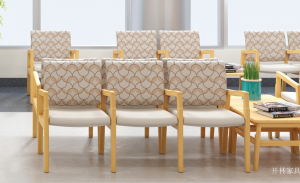
Price:Negotiate
Number:CFF-260709163836
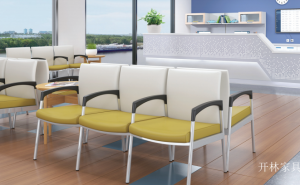
Price:Negotiate
Number:CFF-260709163618
Price:Negotiate
Number:CFF-260709163311
Price:Negotiate
Number:CFF-260709163042
Price:Negotiate
Number:CFF-260709162635
Price:Negotiate
Number:CFF-260709162313
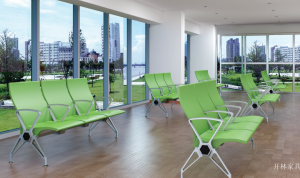
Price:Negotiate
Number:CFF-260709161802

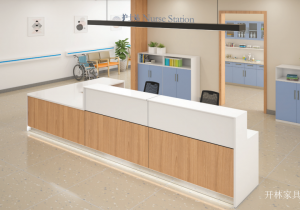
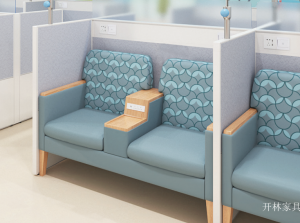
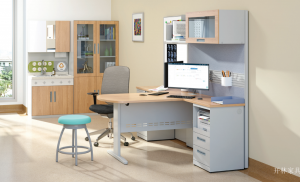
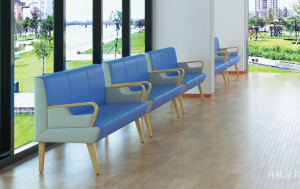
The concept of elderly-friendly functional furniture Elderly-friendly functional furniture refers to furniture that is suitable for elderly people to use in a certain environment, helps them overcome specific environmental obstacles, and enables them to exert their latent functions. It also assists caregivers in reducing the intensity of care and improving efficiency, and helps elderly people maintain their dignity and enhance their ability to live independently. Here, "elderly-friendly" can be understood as "suitable for, adapted to, or applicable to the elderly", and "assistance" can be interpreted as "helping from the side". Elderly-friendly functional furniture is a living and care platform for the elderly living environment, and is an indispensable guarantee for achieving the "entry, exit, and washing" of elderly care operations, the "sleep, movement, and entertainment" of daily care, and the "light, home, and flavor" of environmental services. Principles for configuring elderly care furniture (1) Adapt to the needs of the environment (2) Adapt to the needs of caregivers (3) Suit the needs of the elderly The three aspects are both unified and changeable. The changes mainly depend on the functional changes of the elderly. Self-reliant elderly: Focuses on meeting the needs of the environment. Mildly disabled elderly: Focuses on meeting the needs of the elderly. Severely disabled elderly and completely disabled elderly: Focuses on meeting the needs of caregivers. ...View more
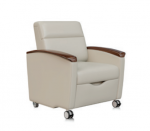
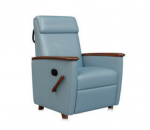
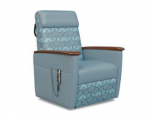
Adapting to old age without becoming old; born to care; Starting a new life from the "heart&quo t;! An excellent elderly-friendly product manages to make the concept of "elderly-friendliness" completely invisible, yet it can still make the elderly feel that it is omnipresent and meticulous in every aspect. Every design detail is filled with ingenious craftsmanship, allowing the elderly to live more conveniently while also experiencing the little joys of their later years. The design of elderly-friendly furniture differs from traditional civilian furniture in terms of craftsmanship. It is free of sharp edges and has barrier-free design. It not only ensures the safety of the elderly but also provides convenience for their lives. It assists the elderly in completing daily activities and provides continuous care for them. While meeting the daily usage functions, it also pays more attention to the physical and mental health and humanistic care of the elderly user group. Especially through some special processing of the furniture, it also focuses on the best combination point between aesthetics and functionality. It pays meticulous attention to every aspect, from material selection, color matching, shape, and craftsmanship, to highlight the youthful and high-quality style, highlighting the details and humanized experience of the product, and providing the elderly with a more comfortable later life. I. Comfort Adaptive furniture should use high-density and comfortable materials. The design concept must follow the physical and mental changes of the elderly, be able to solve the problems brought about by their gradual aging, and ensure comfort. II. Assistance As people age, their physical functions change, and often they are unable to do things independently. In such situations, it is necessary to provide functions that can assist the elderly in their daily lives, making it easier for them to use. III. Safety Due to the physiological characteristics of the elderly, there is a risk of accidents. Therefore, adaptive furniture should follow the principle of safety first, not only in material selection but also in the design concept. IV. Affinity Blurring the boundary of "elderly care" will make the elderly feel a sense of belonging and closeness. This is in line with the psychological characteristics of this group and requires effective furniture design. ...View more